
Honoring a Legacy: Designing the Future of the Boys & Girls Club
I grew up in Maine and New Hampshire with dreams of becoming an architect. That path led me across the country and even overseas, designing people-centered spaces in all kinds of communities. But now, I’ve come full circle, back to Maine, the place that first sparked my passion for design. Some projects resonate more deeply than others, and this one? This one’s personal.
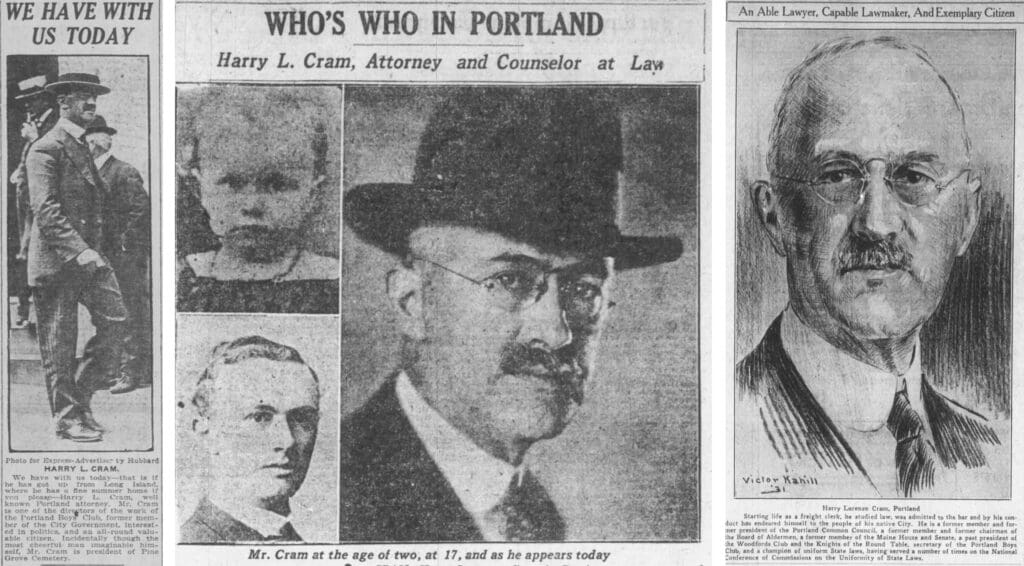
I recently started working on an expansion for the Boys & Girls Clubs of Southern Maine. When I mentioned it to my father, he paused for a second and then said, “You know your great-grandfather helped start that place, right?” I had no idea. It turns out that Harry L. Cram—my great-grandfather—was one of the original founders of the Portland Boys Club in 1909, which later became the Boys & Girls Clubs of Southern Maine that we know today.
Talk about a full-circle moment.
A Family Thread
I grew up witnessing a similar level of dedication by my grandfather, father and aunt, but I had not realized how far back the core value of community-centric service extended.
Harry was deeply involved in the Portland community, alongside some prominent names like John Calvin Stevens (our firm’s founder) and Edward Hannaford (founder of Hannaford Supermarkets). Harry wasn’t just an attorney and philanthropist; he cared deeply about helping young people. Historical records indicate he served for 35 years as the Club’s treasurer in addition to serving on several other community boards.
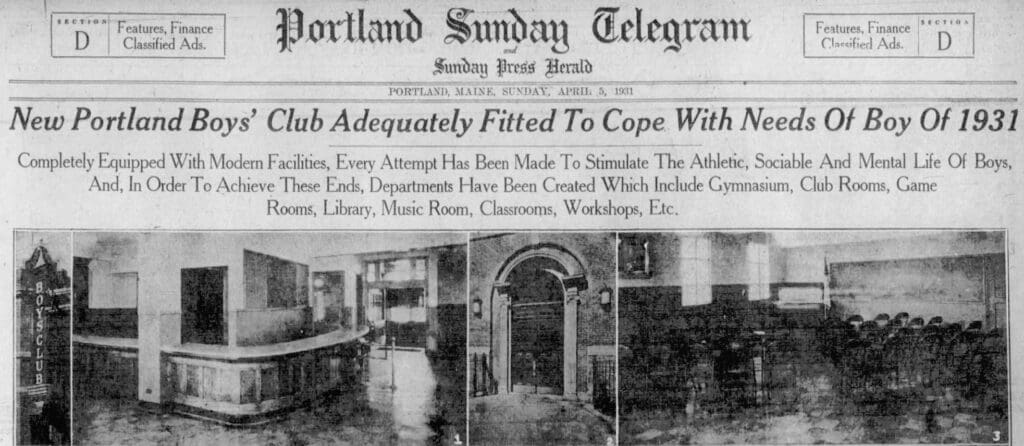
I never imagined that over a century later, I’d be contributing to the same mission, as an architect. Not to mention that I am working alongside Paul Stevens, whose great-grandfather, John Calvin Stevens, was the architect hired by Harry Cram to design the Boys Club facility in 1930.
From the Boys Club to Today
The Portland Boys Club opened its doors in 1909 in the location now known as Canal Plaza. Back then, it was a space where boys in the community could find support, structure, and opportunities. The club provided educational and recreational opportunities to children from diverse backgrounds. Over time, the organization evolved into what is now the Boys & Girls Clubs of Southern Maine, welcoming all youth and growing into multiple locations across the region. The organization continues to focus on academic success, career preparedness, healthy lifestyles, and good character and citizenship, impacting thousands of young people each year.
The mission remains unchanged: to provide kids with a place to feel safe, supported, and inspired.
Designing with a Deeper Purpose
Now that I’ve uncovered my own family’s history with the Club, this work feels entirely different. It’s not just another design project; it’s a chance to give back to a place that helped shape generations, including my own. This goes beyond architecture as usual. It’s about honoring a legacy, reconnecting with my roots, and creating a space that will welcome and uplift the next generation of Maine kids.
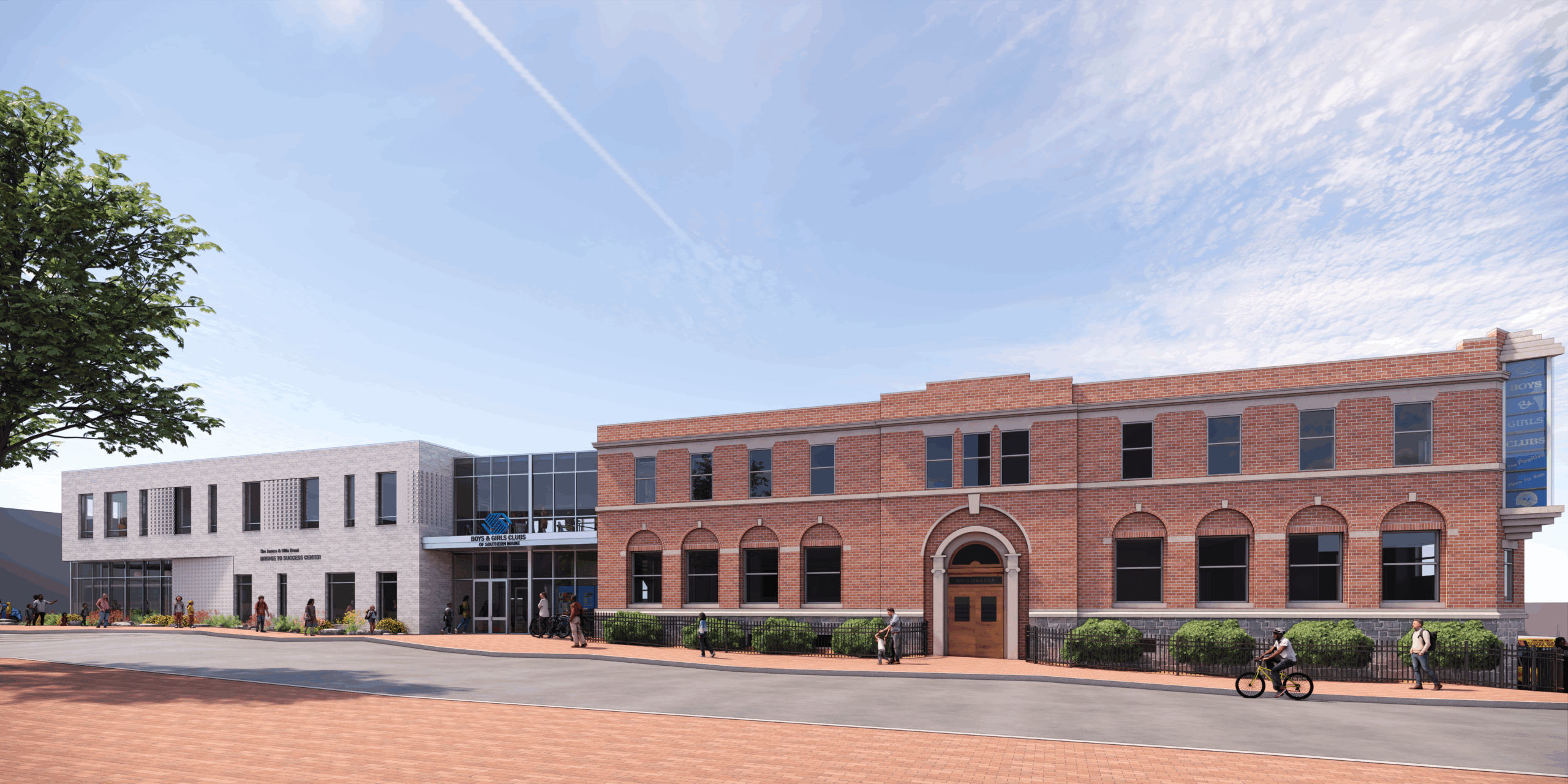
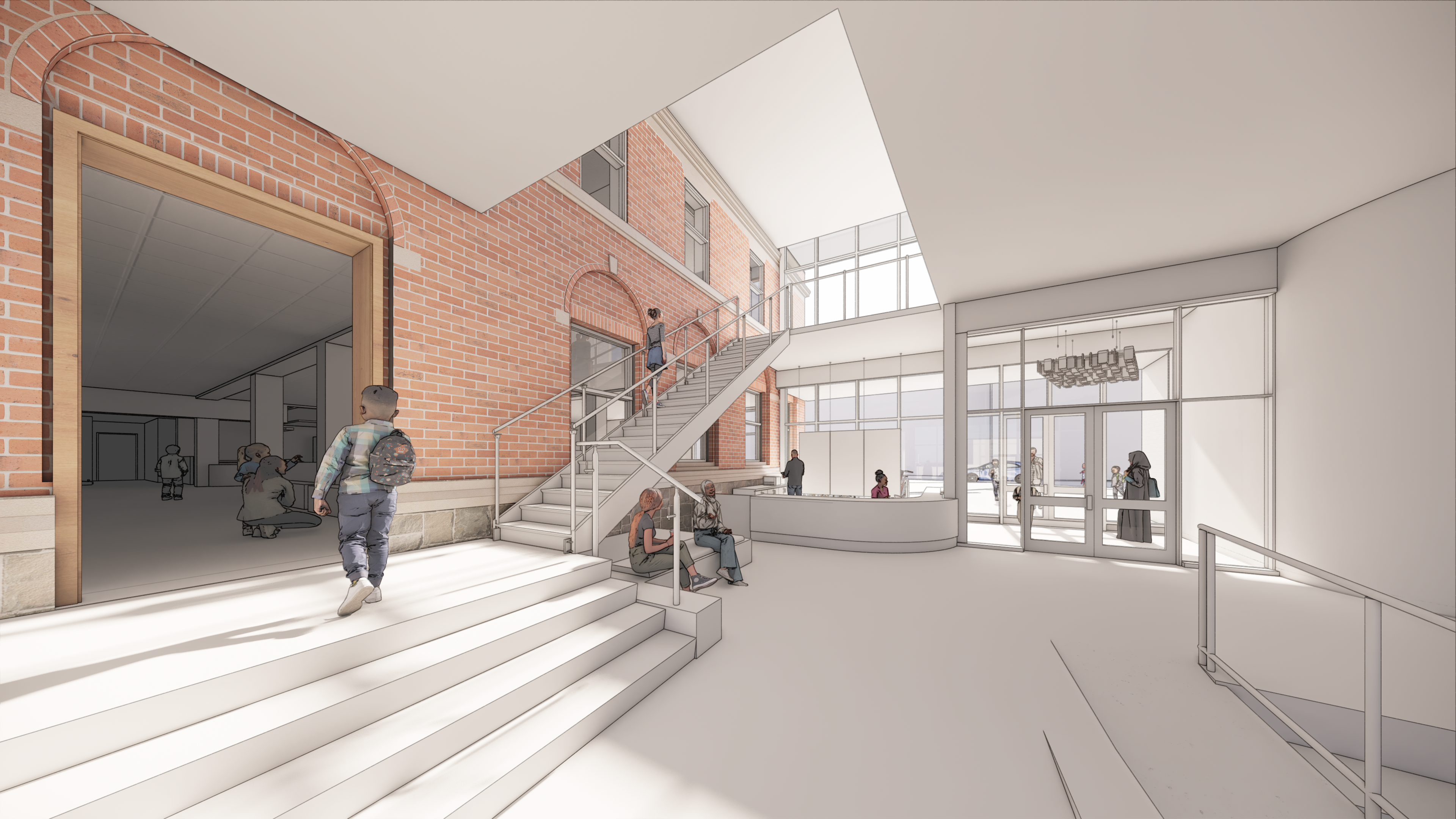
The expansion project, aptly named “Bridge to Success” is about more than growth. It’s about ensuring that the Club continues to meet the community’s changing needs with updated facilities that will help teens build strategies for future success in the next chapter of their lives, whether that be higher education or trade readiness.
Integral to the design is a three-bay garage Career Exploration Lab for learning hands-on skills such as automotive repair. Virtual Reality studios will support a VR-based career investigation program, along with a movement studio, and a music and voice studio, to encourage creative exploration.
It should also be noted that due to the exceptional vision of the architect and founders, the location of the club, situated across from the main entry to the Portland High School, continues to be the core campus of the Southern Maine branch of the Boys & Girls Clubs. Standing the test of time and economic pressures is no small feat and a testament to the dedication of the current Club’s leadership.
Full Circle
I didn’t set out to follow in my great-grandfather’s footsteps, but here I am, contributing to a program he helped build 120 years ago, alongside the great-grandson of the original structure’s architect.
Designing this expansion is a meaningful opportunity: a chance to carry forward a family legacy, create something lasting for the next generation, and honor Harry’s values: community, opportunity, and meaningful impact.
I may not be walking in his shoes, but I’m building on the foundation he helped lay, and that’s a legacy I’m proud to extend.