University of Arizona ECE Nano Fab Cleanroom

University of Arizona ECE Nano Fab Cleanroom

SMRT partnered with Hodess Cleanrooms to modernize the Nano Fabrication Center (NFC) within the Department of Electrical and Computer Engineering at the University of Arizona. Located within the university’s existing engineering building, the project supports advanced micro- and nano-scale research, workforce training, and nationally significant research initiatives.

The NFC is organized into six cleanroom bays arranged in sequence, each paired with a dedicated chase space that houses the facility’s mechanical, electrical, and utility systems. This branching layout separates pristine research environments from the exposed infrastructure that supports them, improving performance, access, and long-term flexibility. The facility includes approximately 4,000 square feet of Class 10 and Class 100 cleanroom space supported by 10,000 square feet of Class 10,000 chase areas.

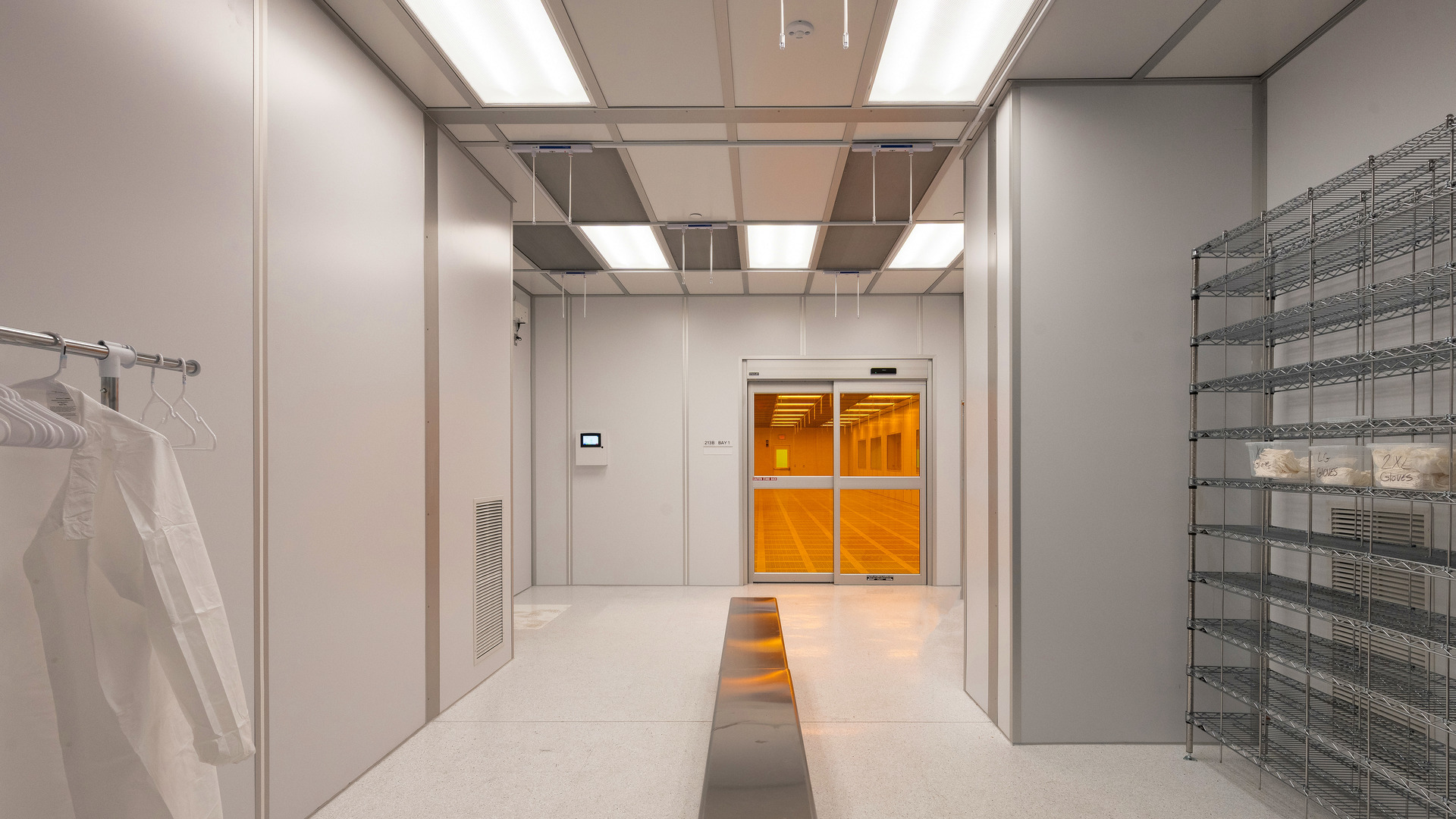
A defining feature of the project was the creation of a raised floor system to accommodate specialized fabrication equipment, all integrated within the constraints of an existing structure. SMRT designed the structural framework to support the cleanroom envelope and overhead systems, along with gowning spaces that maintain strict contamination control.

SMRT provided architectural, structural, mechanical, and electrical engineering services for the cleanroom scope, all designed to meet FM Global standards. The modernized facility provides a controlled, user-friendly environment for academic, government, and private-sector researchers, leveraging SMRT’s extensive experience delivering complex cleanroom environments for advanced research.

Location
Tucson, AZ
Chase areas run between each cleanroom bay, housing exposed mechanical, electrical, and utility systems. These spaces, equal in scale to the cleanrooms themselves, form the operational backbone of the facility.
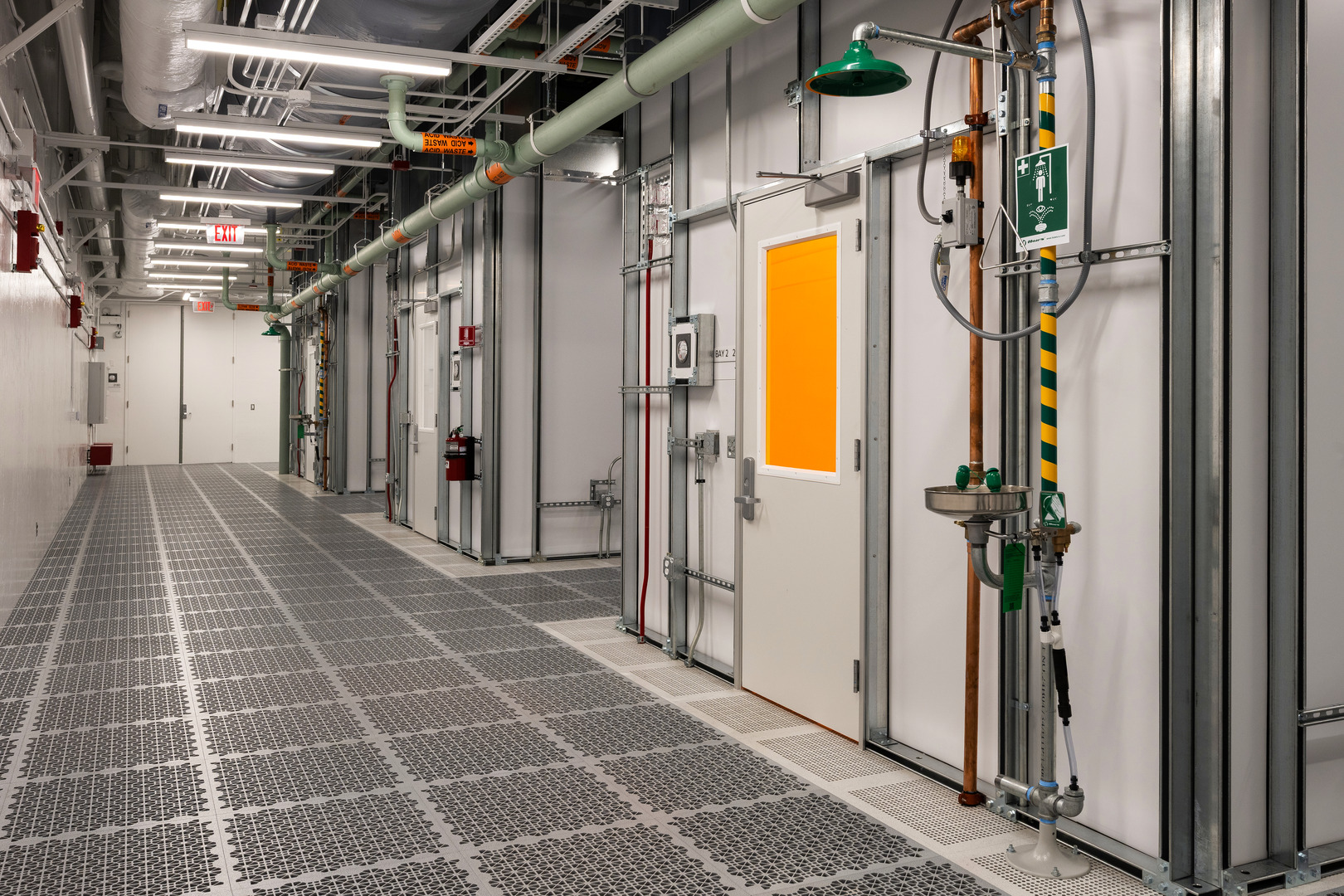
A view from the chase highlights the clear separation between the clean, controlled research environment and the accessible infrastructure that supports it.
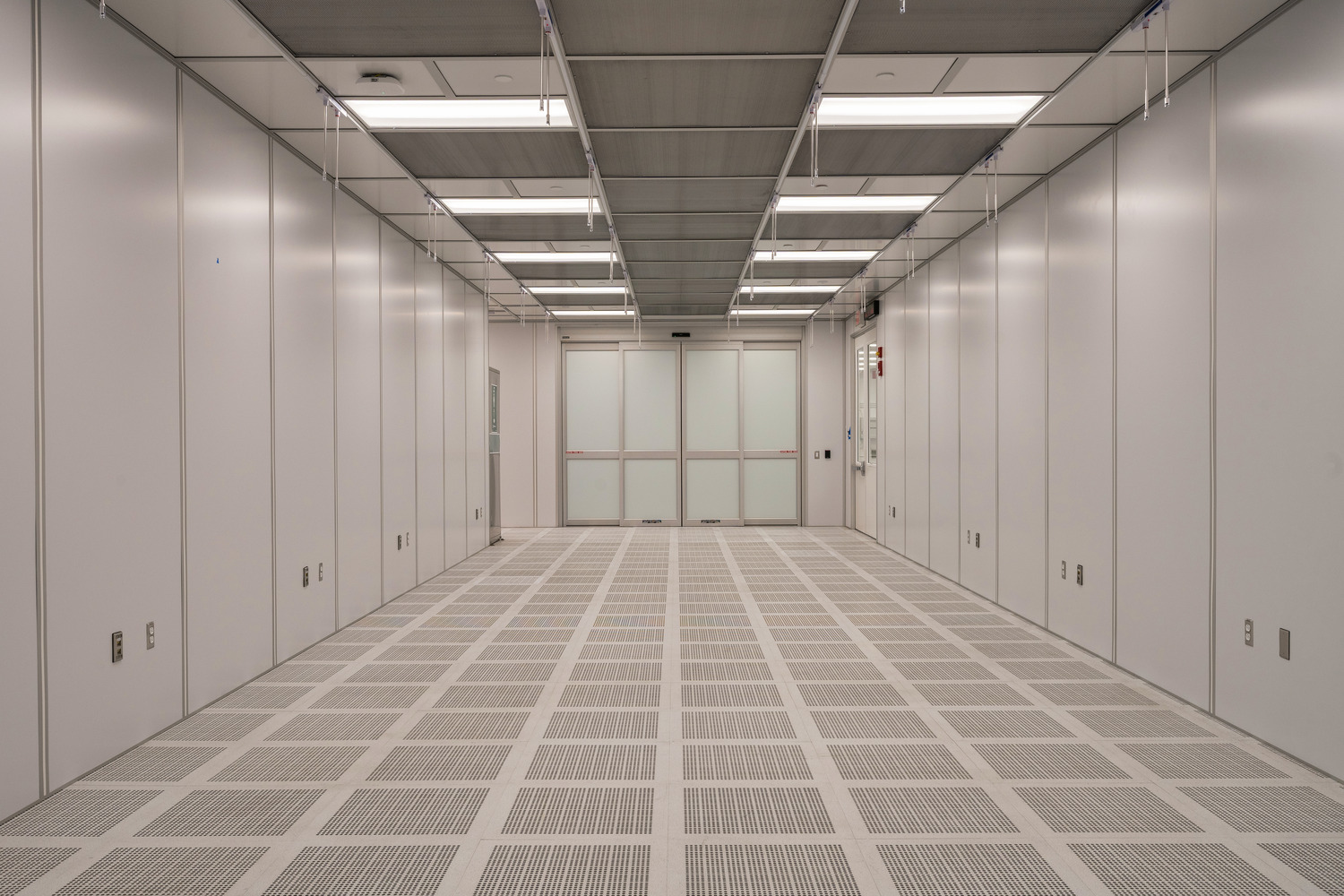
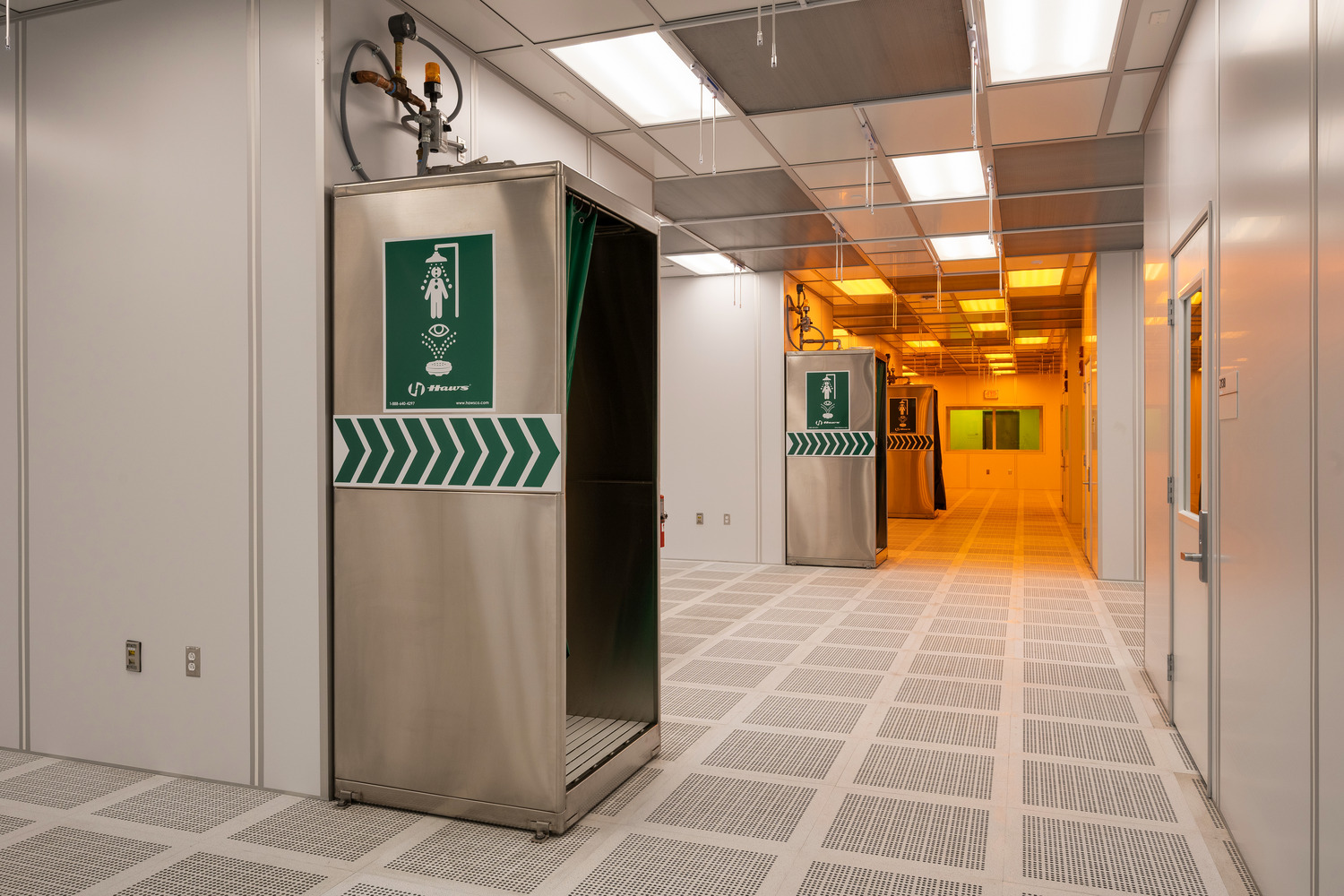
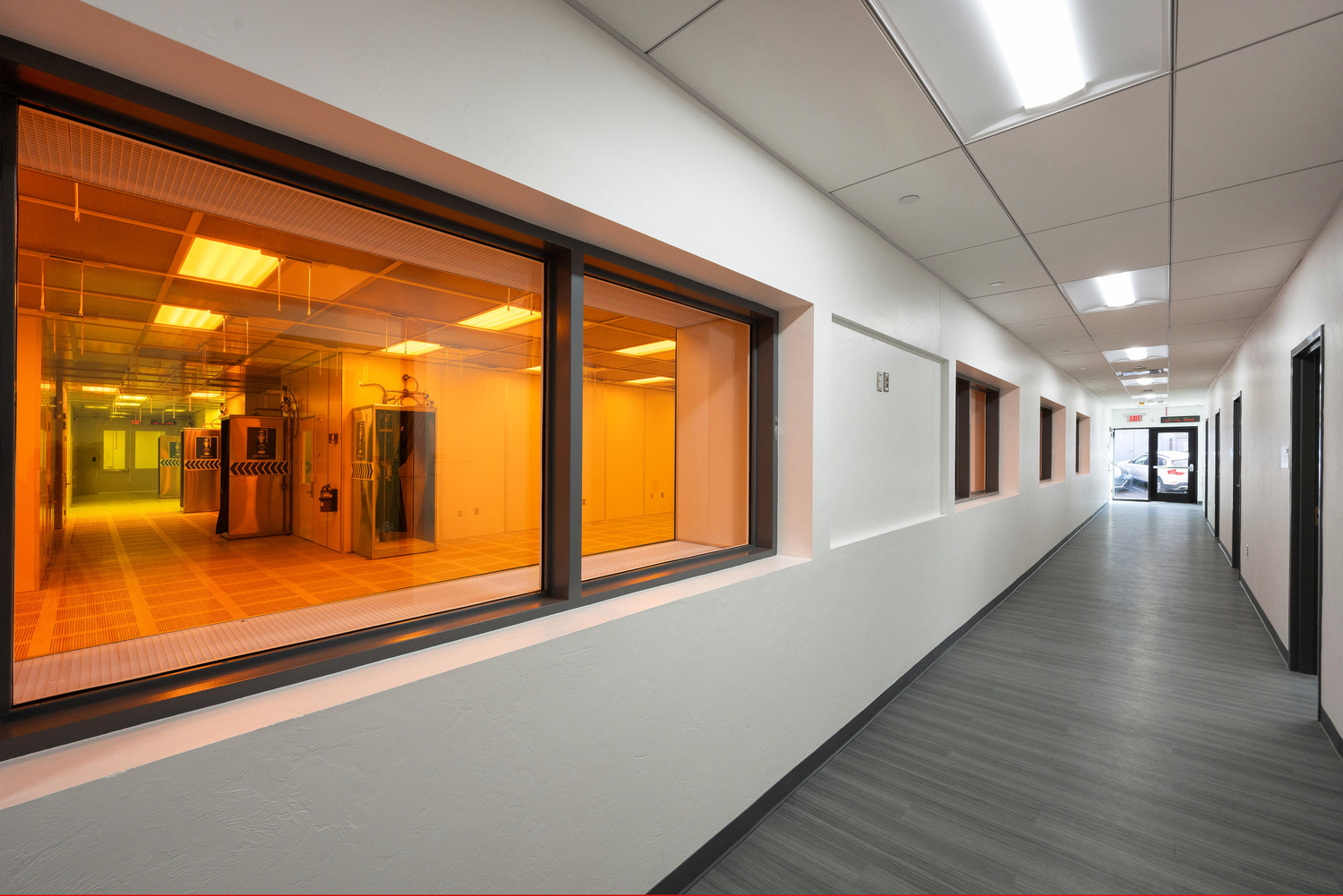
Lighting is tailored to both function and experience, combining cleanroom-specific fixtures with amber lighting in select areas to support light-sensitive equipment. Interior corridors with deeply set windows bring daylight into the space and allow visitors to observe research activities without gowning, supporting education and tours while preserving cleanroom integrity.
Deep-set interior windows reveal how the Nano Fab cleanrooms were constructed within an existing academic building, allowing daylight to reach adjacent corridors and enabling observation without entering the cleanroom.
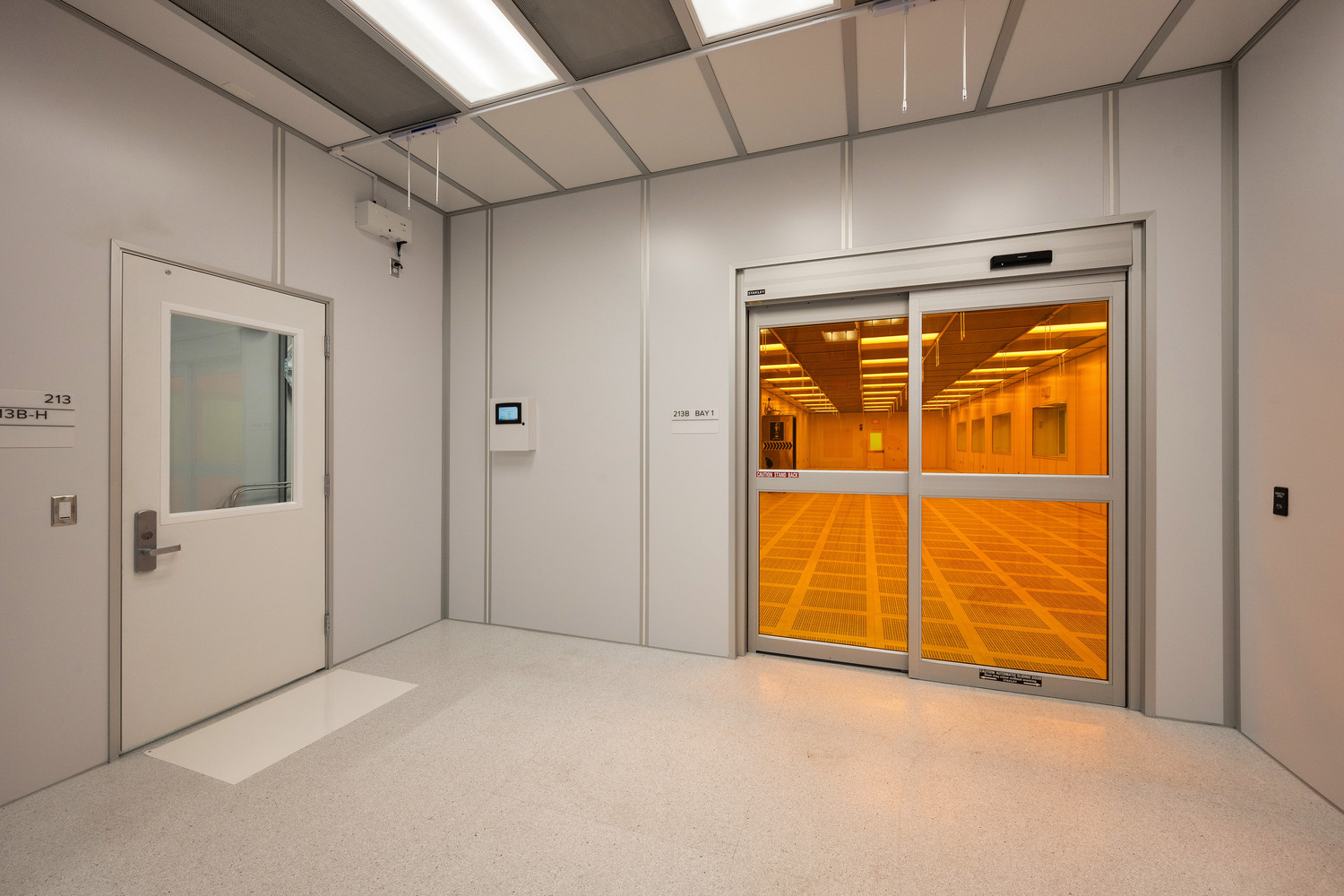
Motion-activated doors and clear bay signage support cleanroom protocols while improving usability and workflow.