

5 Steps to Campus Electrification: A Strategic Engineering Perspective
Campus electrification isn’t just a trend, it’s an essential part of the path toward decarbonization, climate resilience, and operational sustainability. But make no mistake: beneficial electrification is a long game. It requires vision, strategy, and a willingness to take measured steps today to ensure a more sustainable tomorrow. As institutions face aging infrastructure, growing demands for cleaner energy, and increasing pressure to reduce carbon emissions, a thoughtful, phased approach is more critical than ever. This effort demands equipment upgrades, and it requires a clear vision for the future of the entire campus, a strategic roadmap, and the leadership to take action today for a cleaner tomorrow. At SMRT, we work with colleges and universities across the Northeast to help make this transition real, actionable, and scalable.
One such partner, the University of Southern Maine (USM), has made significant strides in electrifying its Portland campus, serving as a solid example of how patience, planning, and persistence can drive meaningful change. From big-picture thinking to boots-on-the-ground execution, we help institutions like the USM take real, measurable steps toward a fully decarbonized future.
Here are five key steps to get your campus on the path to electrification:
1. Determine Your Baseline: Know Where You Stand
You can’t chart a course without knowing your starting point. For most campuses, infrastructure is decades old and built for a different energy era. The first step is to conduct a comprehensive infrastructure audit to identify weak links and pain points related to electrification.
- Do you have proper monitoring and controls in place? Many buildings operate with minimal energy visibility.
- What are the constraints at the building and campus levels? Electrical panel capacity, HVAC system compatibility, and insulation performance must all be assessed.
- Can your local utility support a significant increase in electrical demand? Understanding your energy provider’s realistic capabilities is essential for planning.
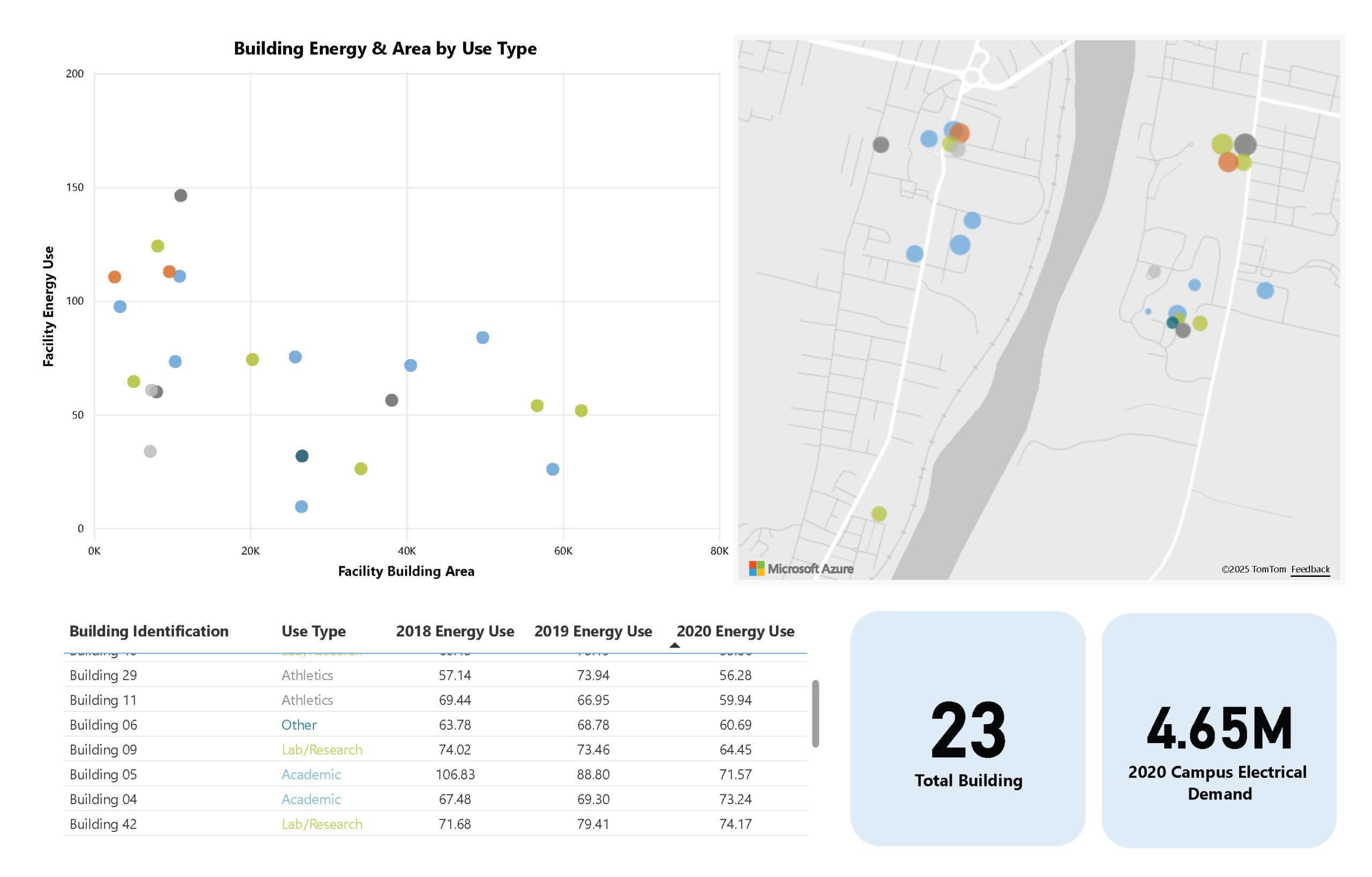
Create a clear list of limiting factors, both campus-wide and building-specific. Electrification strategies will—and should—vary from building to building. A lab with 24/7 energy needs will require a different approach than a residence hall.
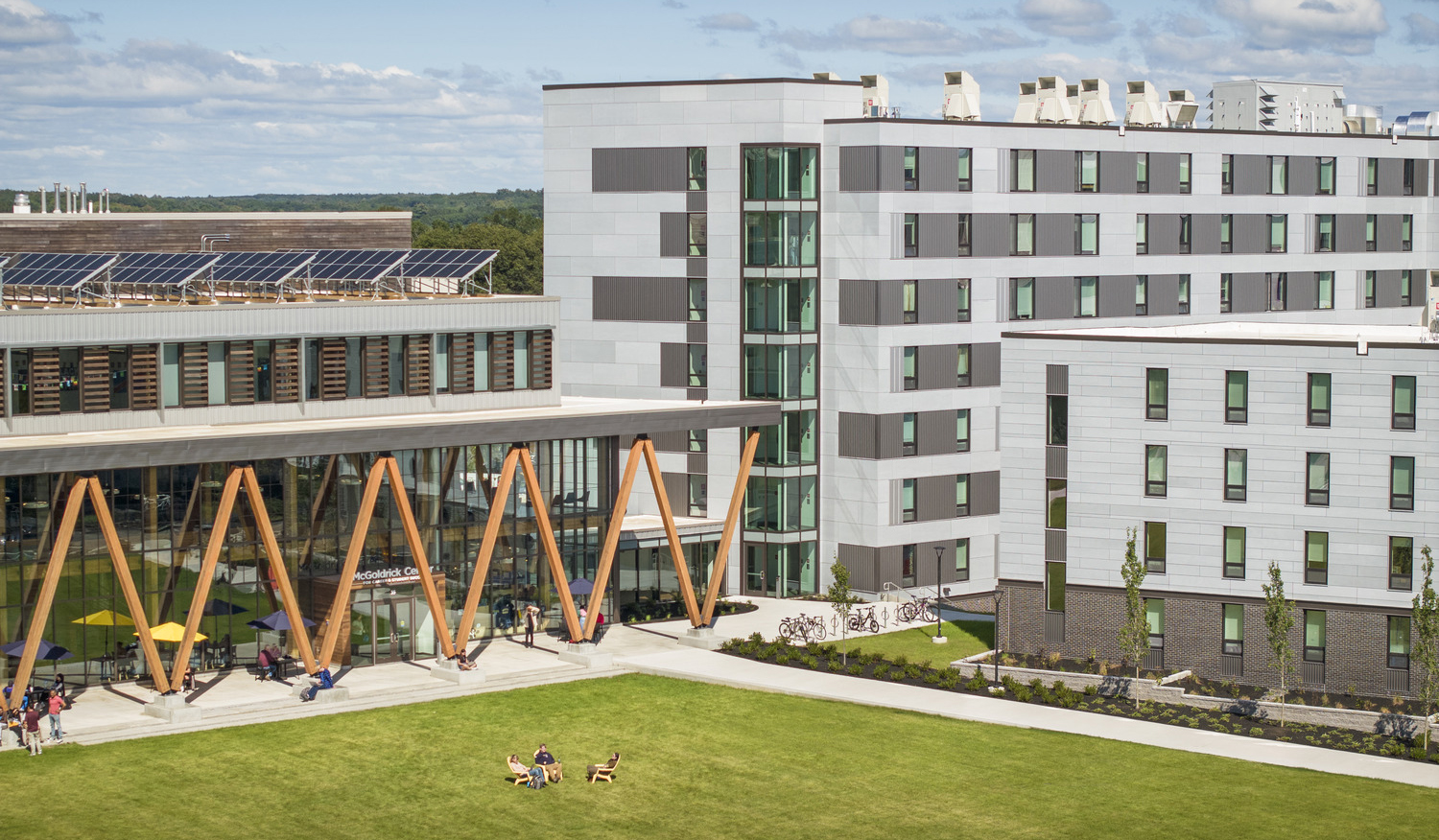
At USM, this process laid the foundation for bold action. With a baseline understanding in place, they could move forward with designing two of the most energy-efficient buildings on any Maine campus—the Portland Commons Residence Hall and the McGoldrick Center for Career & Student Success—fully electric and powered by heat pumps and solar panels.
2. Collaborate with Campus Planners
Engineering and planning must be joined at the hip. Electrification without long-range planning is like paving roads without a map.
- Align your electrification goals with larger campus objectives, such as decarbonization, zero net energy, and increased use of renewables.
- Develop an understanding of what growth and expansion look like for your campus – Resources dedicated to infrastructure are scarce, so spend wisely!
- Use industry benchmarks, such as Energy Star Portfolio Manager, to anticipate future building energy loads. These forecasts can guide the scale and location of your infrastructure upgrades.
A successful electrification strategy must be rooted in the master plan, future-ready and flexible.
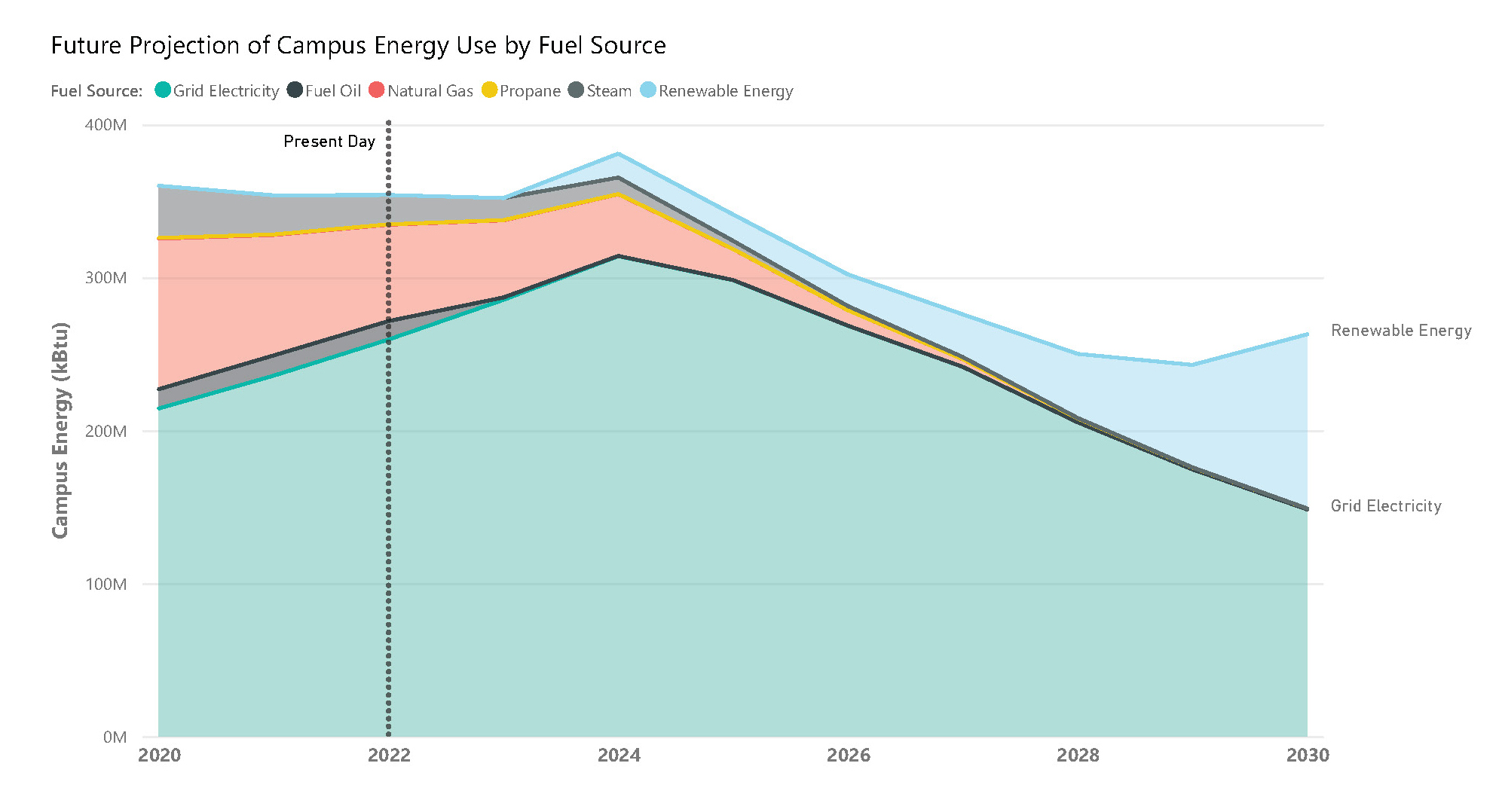
USM’s electrification efforts weren’t just about building performance—they were about supporting a broader carbon neutrality goal by 2040. This alignment between facilities, planning, and leadership is what keeps major initiatives on track over the long term.
3. Get Control: Leverage Data for Smarter Decisions
Data is your most powerful tool in navigating electrification. You can’t manage what you don’t measure.
Install energy management systems (EMS) or advanced building analytics platforms across your existing and new buildings. These tools reveal usage patterns, identify inefficiencies, and ultimately guide capital planning.
With better insight into how, when, and where energy is used, you can:
- Right-size infrastructure investments
- Optimize energy procurement
- Pinpoint areas for load shifting or demand response strategies
Smart systems pay for themselves in long-term savings and give your facilities team the intelligence needed to manage a more complex, electrified campus.
USM has embraced these tools, integrating systems that support better control and long-term efficiency. This data-centric approach also helped them transition away from fossil fuel dependence, investing in geothermal and electric heat pump systems that match actual building performance needs.
4. Develop a Strategic, Phased Plan
Campus-wide electrification isn’t a one-and-done project—it’s a multi-year, even multi-decade journey. Infrastructure upgrades are expensive but don’t need to break the bank.
A strategic electrification plan allows you to integrate necessary upgrades into capital improvement and routine maintenance schedules. You can:
- First, target priority buildings with critical systems, inefficient heating, high energy use intensity, deferred maintenance needs, or alignment with upcoming capital projects or academic programming shifts.
- Coordinate with building renovation timelines to reduce redundant work and minimize disruption.
- Leverage onsite, building, or campus-wide renewable energy and energy storage opportunities to offset the growing electrical demand and decrease utility costs.
- Use a phased approach that aligns with funding cycles and institutional planning goals.
Small steps lead to big changes. The key is to start somewhere and build momentum.
USM’s new electric buildings didn’t happen overnight. They were designed as early, high-impact steps toward a long-term vision. The university is also actively exploring power purchase agreements for solar and wind, allowing it to scale renewable sourcing over time without taking on all the generation infrastructure in-house.
5. Stay Flexible, Stay Focused
Electrification efforts will inevitably face roadblocks, including budget constraints, campus politics, and institutional inertia. But with a clear vision, you can stay on track.
- Develop guiding principles that define your campus’s energy future and use them to steer project-level decisions.
- Educate stakeholders on the long-term financial and environmental benefits of electrification. While electricity may currently be more expensive than natural gas, that equation is changing, and the long-term cost savings from energy efficiency and carbon reduction are real.
- Be prepared to adapt as new technologies emerge, energy prices shift, and policies evolve.
Campus electrification isn’t just a facilities decision—it’s a leadership strategy.
USM’s decision to install EV charging stations and expand campus-wide access to clean energy demonstrates how even infrastructure that supports non-building energy use is essential to holistic planning. Flexibility and a focus on the long game are what allow institutions to adapt and lead.
Looking Ahead: 2050 and Beyond
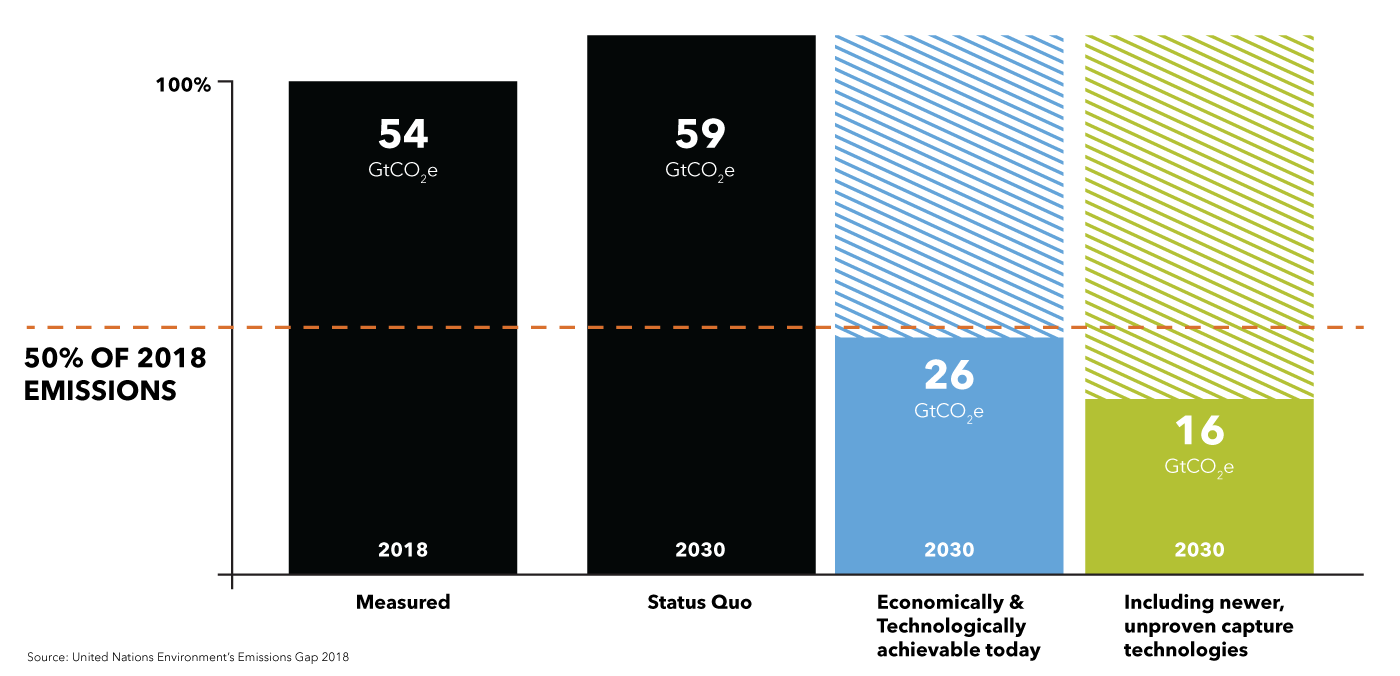
Many colleges and universities have set ambitious goals—full campus electrification by 2050, net-zero carbon commitments, and 100% renewable energy adoption. But turning those goals into reality takes more than good intentions—it takes the right partner. As of recent reports, over 40 colleges and universities in the U.S. obtain 100% or more of their electricity from renewable energy sources. Additionally, of the 180 schools reporting to the Association for the Advancement of Sustainability in Higher Education (AASHE), 91% use some amount of renewable energy.
At SMRT, we understand that the technology to electrify exists today. What makes the difference is the planning, investment, and coordination—the kind that bridges aspiration and implementation. Our team brings a multi-disciplinary approach to campus transformation from day-one strategy to decades-long roadmaps.
If you’re ready to take the next step toward electrification, let SMRT lead the way.