

Athletic Field Design: The 7 Most Frequently Asked Questions From Higher Ed Leaders

When a college or university considers a new or upgraded athletic field, it’s about more than grass and goalposts. These projects are complex undertakings that have to balance performance, budget, and long-term sustainability. At our firm, we’ve guided countless higher education clients through this process, and a few core questions always rise to the top. Here are seven commonly asked questions that higher education leaders ask us when planning their next athletic field.
1. I need a new field, can you help me?
We can absolutely help! Beyond that, my first response is usually a question. “What is the fundamental need driving your new field?” This seems like a simple question, but the answer is rarely straightforward. Before we design a single line, we need to understand the “why.” Is the existing field in poor condition? Is there a demand for more space due to new sports or growing recreation programs? Could the problem be solved with a more efficient scheduling system? Sometimes, the least expensive solution is the smartest one. We always recommend that facility leaders consult with their grounds departments to assess if their current fields can handle an increased usage schedule. If not, a deeper discussion is needed with all stakeholders, Athletics, Recreation, and Facilities, to define the desired program for the new space. This initial alignment is crucial for gaining support from the groups funding the project and ensuring everyone is on the same page.
2. How do we balance high-performance needs with broader campus and community use?
An NCAA-regulation field and a recreational intramural field can be worlds apart. NCAA fields are built with exacting accuracy for planarity (how flat the surface is), safety runout, lighting, and other amenities, and are often located close to athletic support facilities like training rooms. Recreational fields, on the other hand, prioritize durability and availability over rigorous performance standards, and they are often placed wherever land is available on campus. The ultimate goal would be to find a design and location that could accommodate both, as a multi-use facility often wins the most support from various stakeholders. By providing flexibility for different uses, a single project can serve multiple campus and community needs, broadening its appeal and impact.
3. How do you choose between natural and synthetic turf?
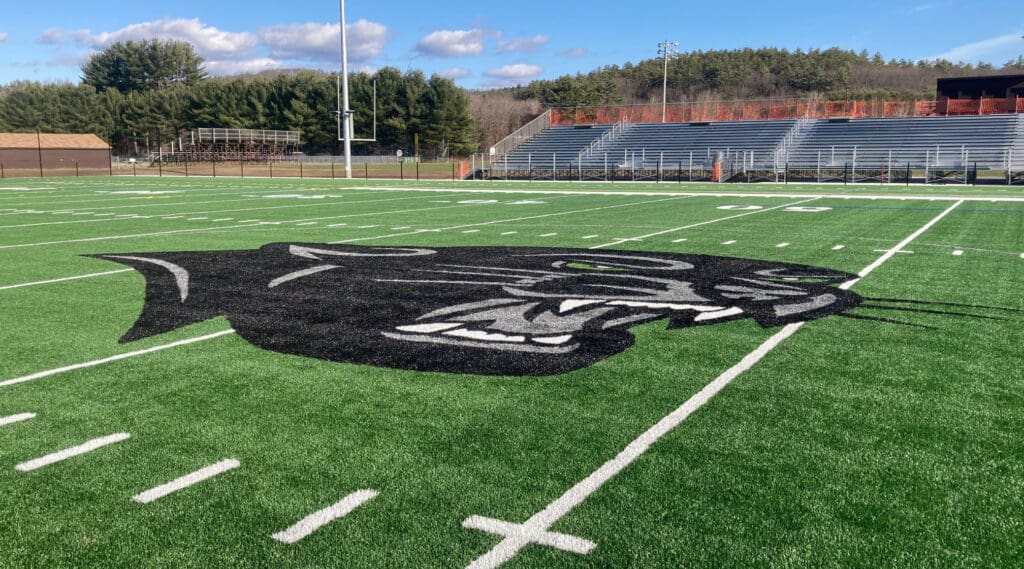
The debate between natural and synthetic turf is multifaceted, with no single “right” answer. The choice depends on several factors:
-
- Proposed Use: Some sports require a specific surface (e.g., Division I field hockey favors a specific type of synthetic turf, while soccer players often prefer natural grass).
-
- Usage Rate: Natural grass fields can only handle a limited number of hours of use per year before major maintenance is required. Synthetic turf, however, can be used nearly around the clock, making it ideal for high-usage or for institutions with limited land.
-
- Upfront Cost & Maintenance: Synthetic turf has a higher initial capital cost, but natural grass systems can require more intensive regular and long-term maintenance, especially if they are a high-performance sand-based system.
-
- Site Conditions: Synthetic turf is an excellent solution for areas with poor drainage, soil contamination, or those prone to flooding. It can even be installed on top of other structures, such as a parking garage, maximizing limited urban space.
The best approach is a careful analysis of proposed uses, projected maintenance capabilities, and available capital to determine which solution is the best long-term investment.
4. What site-related issues will affect the design?
Site criteria are a primary driver of a field’s final design program (how the field will be used). Requirements from governing bodies like the NCAA dictate everything from light levels and grading to field size and safety specifications. Beyond these rules, we work to ensure the design reflects the unique character and culture of your campus, integrating the new facility seamlessly into the surrounding environment. This means considering how the field will fit into the campus master plan, its proximity to other facilities, and its impact on pedestrian flow and campus aesthetics. All of these factors will have a direct impact on construction budgets, space needs, and maintenance costs.
Site-specific conditions that can affect design include soils, utility availability, topography and other campus infrastructure. Some conditions, such as topography, can be used to enhance facility design by using slopes for informal seating area, creating interesting design elements, or generating soil materials for another project on campus. We always look for creative ways to turn site constraints into design opportunities.
5. What long-term maintenance and replacement costs should we plan for?
All turf surfaces, natural or synthetic, require ongoing maintenance. That’s why it’s critical to work with a design partner who can clearly outline maintenance expectations early in the design process. This helps avoid surprises once the field is operational and ensures that long-term costs are anticipated and budgeted from day one. For natural grass fields, construction type plays a major role in maintenance needs. For example, sand-based systems often require regular irrigation and fertilization, while native topsoil systems typically demand less intensive upkeep. These differences can significantly affect both short- and long-term costs.
Every material has a lifespan. We help clients estimate lifecycle costs so they can allocate capital appropriately. Replacement planning is also an opportunity to align with your sustainability goals. Field replacements generate waste, so incorporating sustainability objectives early in design allows us to recommend materials and systems that reduce environmental impact over time. Thoughtful product selection today can help meet tomorrow’s sustainability benchmarks while minimizing long-term disruption and cost.
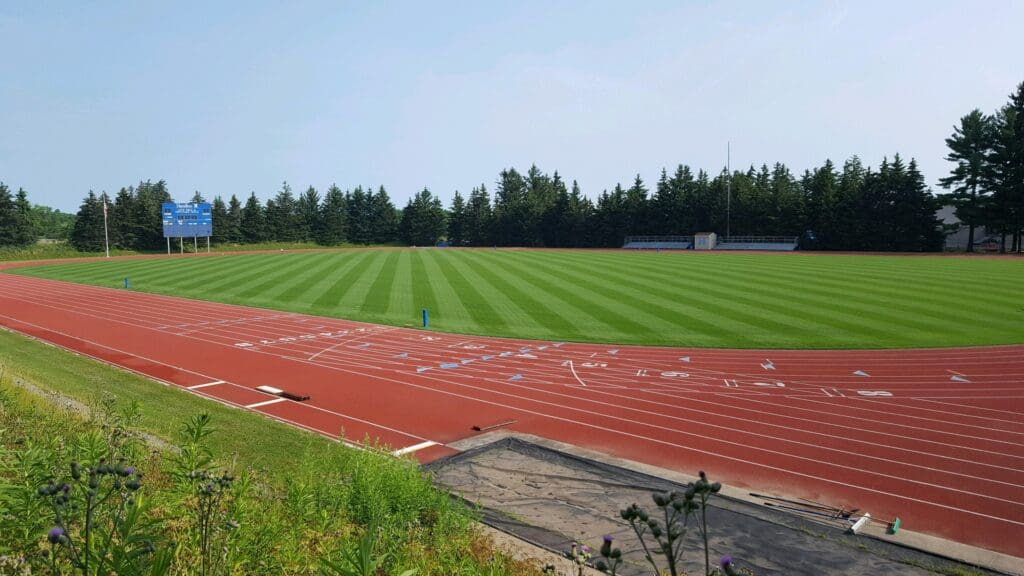
Smart design can also reduce future replacement expenses. For instance, we can detail features like the edge of a surrounding track to ensure that future upgrades, such as converting a grass infield to synthetic turf, won’t damage adjacent surfaces. This kind of foresight can save substantial money and minimize disruption when replacements are needed.
6. How do we integrate new fields into a campus master plan, especially when land is limited?
Using your campus master plan as a guide, we can strategically place new facilities near existing ones to leverage shared infrastructure, such as utilities, roads, and support buildings. This concentration of facilities can effectively manage construction and maintenance costs. When land is limited, flexibility is key. This could mean designing a multi-sport facility where different fields overlap or even constructing a field on top of another structure to maximize space and land usage. These techniques allow a single plot of land to serve multiple purposes, freeing up space elsewhere on campus and maximizing the return on investment.
7. How do we minimize disruption to campus during construction?
The goal is always to minimize the impact on students and athletes. The most common time for athletic field construction is during the summer. For larger projects that can’t be completed in one season, we can explore phasing construction over multiple summers. We also work closely with recreation and athletic departments to coordinate swing space and adjust team schedules, ensuring that no seasons are lost due to construction. For larger projects, this coordination can also allow us to extend the construction season beyond summer, helping to meet timelines without compromising athletic programming.
By engaging stakeholders early and planning for potential disruptions, we help ensure a smooth process and a successful outcome. A well-structured bid process also plays a key role—it can secure better pricing and more favorable timing, setting the stage for a more efficient and cost-effective build.
By thoughtfully addressing these seven questions, higher education leaders can move beyond a simple field upgrade and design a facility that serves their recreation and athletic programs, their campus community, and their long-term institutional goals. We believe that a well-designed athletic field is a hub for campus culture, a symbol of school pride, and a key component in attracting and retaining students. The decisions you make now will shape your campus for decades to come, and we are here to help you get it right.


