
Manufacturing growth starts with the regional ecosystem
What we heard at Made Here: The Albany Region’s Manufacturing Future
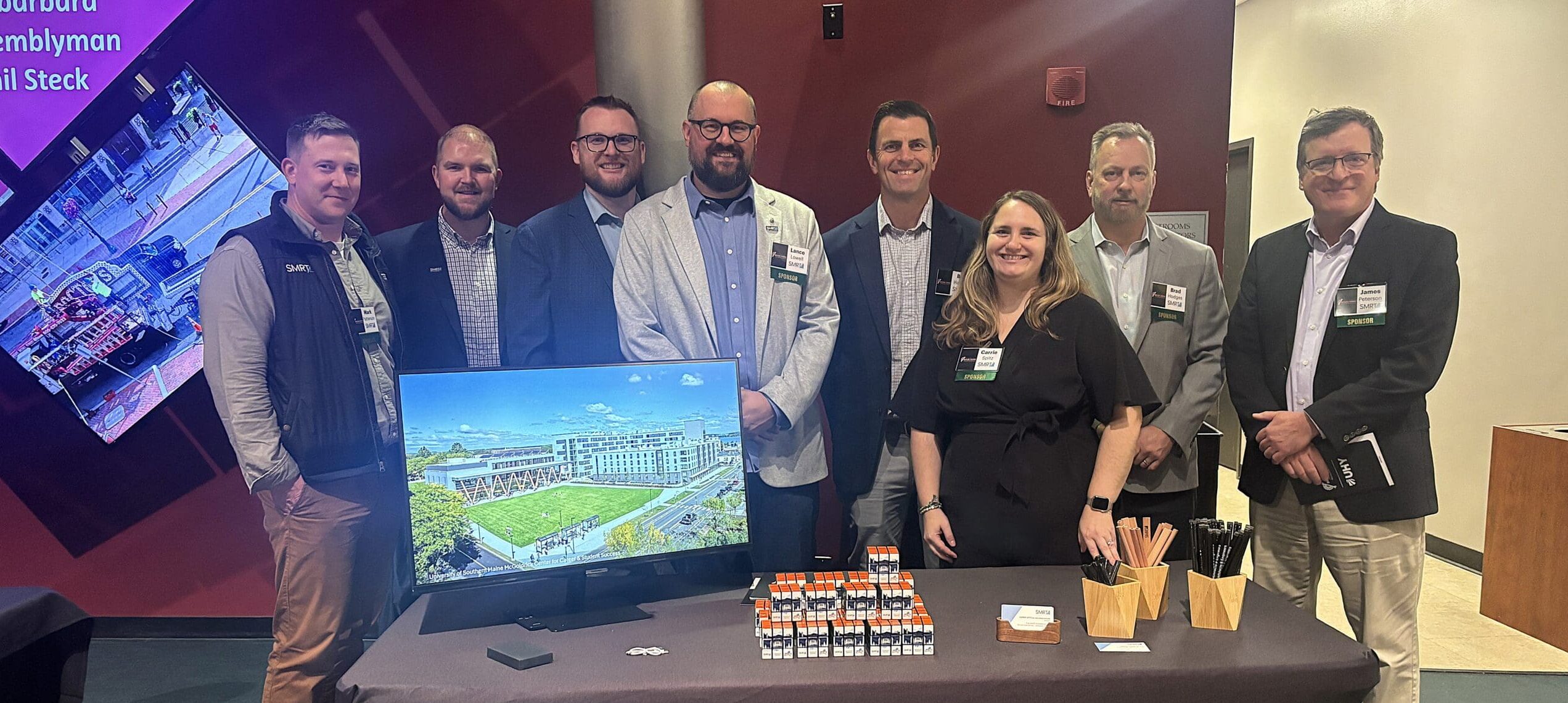
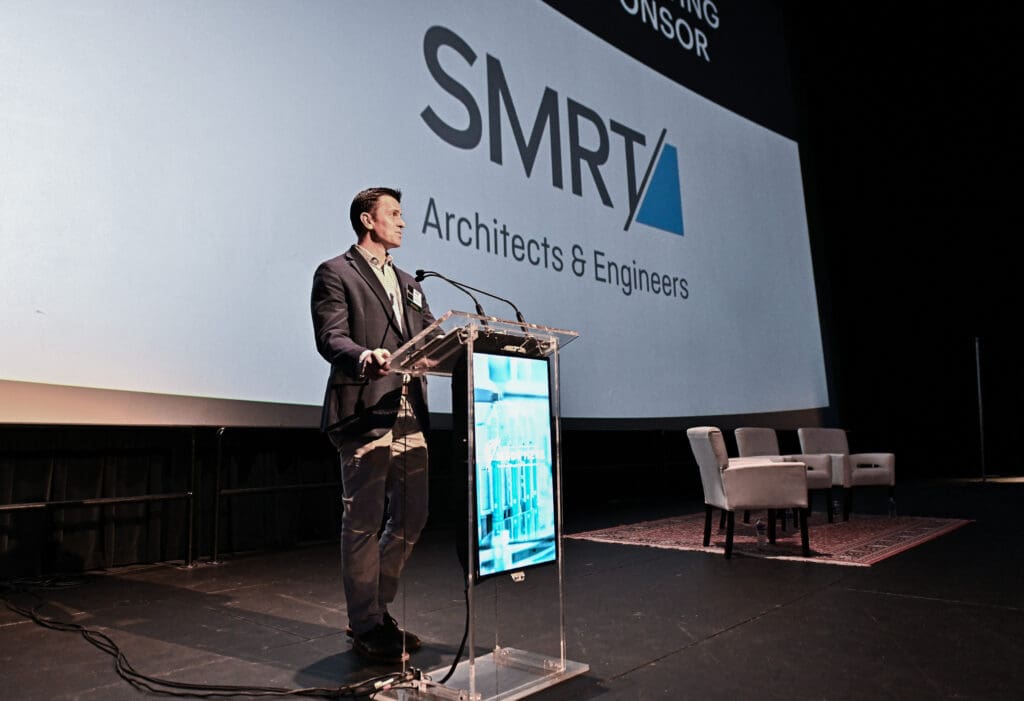
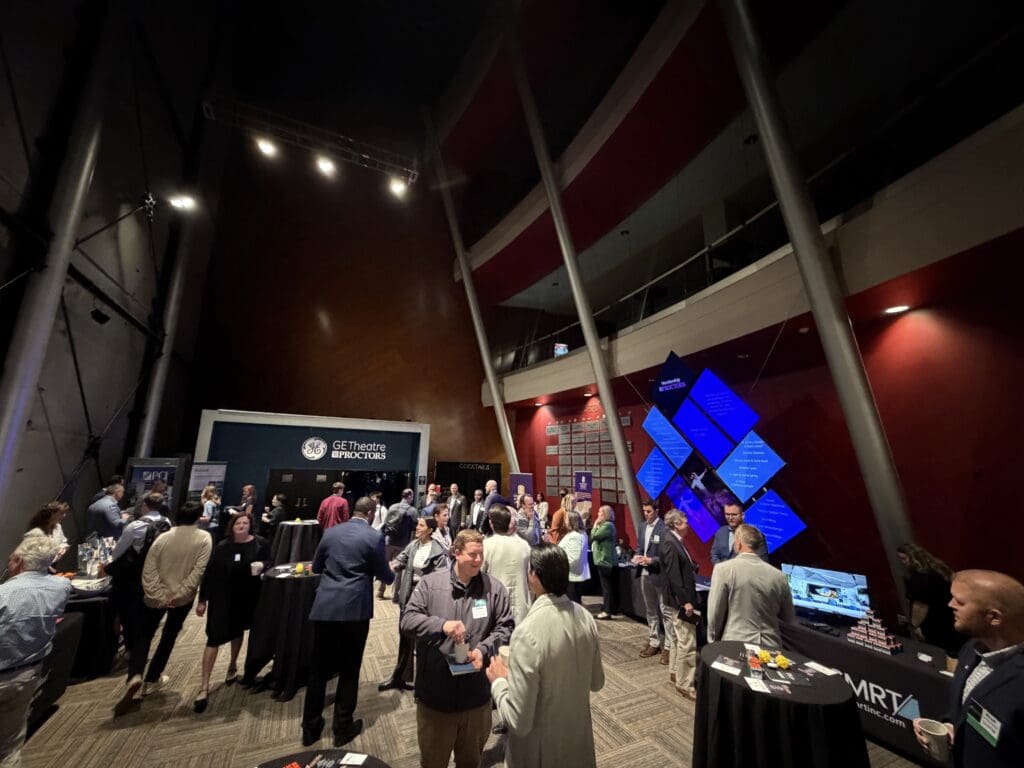
Last week, I joined manufacturers, educators, economic development leaders, and public officials at Proctors Theatre in Schenectady for Made Here: The Albany Region’s Manufacturing Future, hosted by the Albany Business Review. SMRT Architects & Engineers (SMRT) served as presenting sponsor, and Ben Halleck, Principal & Director of Advanced Manufacturing Practice at SMRT, kicked off the day with opening remarks.
My biggest takeaway was how often the conversation came back to the same idea: manufacturing regions grow strongest when industry, schools, infrastructure, and communities work together, and that network shapes how far any single investment can go.
Looking beyond the facility
We tend to count manufacturing growth one project at a time, as companies expand, new employers arrive, and new facilities open. Several speakers made the case for a wider lens. In their view, a region’s manufacturing success is best measured by the strength of the ecosystem surrounding those facilities.
That ecosystem includes everything a facility relies on beyond its own walls: skilled people, power, transportation, suppliers, training programs, and housing. When any one of those falls short, the effects reach well beyond a single project.
Speakers often described these networks as local micro-economies, where manufacturers, schools, workforce programs, suppliers, and communities support one another. When those networks are strong, one investment ripples outward to local suppliers, schools, and small businesses, and helps set up the next one.
That idea stayed with me, especially as the conversation turned to global pressures. Many manufacturers here produce locally but still depend on international supply networks. Tariffs, trade policy, and supply chain disruptions show up in material costs, equipment procurement, and long-term planning. Regions with strong workforce pipelines, community support, and educational partnerships are better positioned to adapt.
It comes back to people
If I had to name the single most important factor, it would be workforce. Sites, utilities, and infrastructure all matter, but companies ultimately invest where they can find and keep the talent they need. Attendees talked openly about competing for skilled workers while technologies and production processes keep changing.
The Capital Region has a lot going for it here. Rensselaer Polytechnic Institute, the University at Albany, Hudson Valley Community College, Union College, and other training partners are preparing students for careers in advanced manufacturing, life sciences, technology, and engineering.
That pipeline becomes even more valuable when schools and employers stay in close contact. Schools can see workforce needs coming earlier, manufacturers can build clearer paths into technical careers, and students can see the opportunities available close to home.
Keeping talent in the region
Training people is half the challenge. Keeping them depends on whether they can build a life here.
A manufacturer can find the right site with reliable utilities and still struggle to grow if employees can’t find attainable housing or a dependable way to get to work. Graduates of a strong training program won’t stay if they don’t see a future for themselves locally. The consensus in the room was that manufacturing growth can’t happen in isolation. It takes manufacturers, educational institutions, municipalities, developers, infrastructure providers, and economic development organizations working toward shared goals.
Where the region goes from here
The Capital Region already has momentum in advanced manufacturing and life sciences, and much of it comes from collaboration already happening among employers, schools, and economic development organizations. The opportunity now is to carry that same collaboration into the micro-economies that support industry: workforce pipelines, housing, infrastructure, and partnerships between industry and education.
This conversation is close to home for SMRT. We’ve worked in the Capital Region since 2002 and opened our downtown Schenectady office in 2022, bringing expertise from across the firm to projects throughout the region. Serving as presenting sponsor of Made Here was a natural fit, and we look forward to staying part of the conversation as it moves forward.
Global challenges will continue, and the region’s ability to develop talent and support vibrant communities can become its most lasting competitive advantage. The regions that connect manufacturing growth with community growth will be the ones that see the impact for decades to come.
Carrie Spitz, AIA, NCARB, LEED® Green Associate™, is a project architect at SMRT Architects & Engineers specializing in cleanroom and advanced manufacturing facilities. She leads integrated teams from early concept through construction on pharmaceutical, radiopharmaceutical, and electric vehicle battery manufacturing projects, translating demanding performance requirements into constructible solutions. Carrie holds a bachelor’s degree in architecture and master’s degree in ecological economics from Rensselaer Polytechnic Institute.