
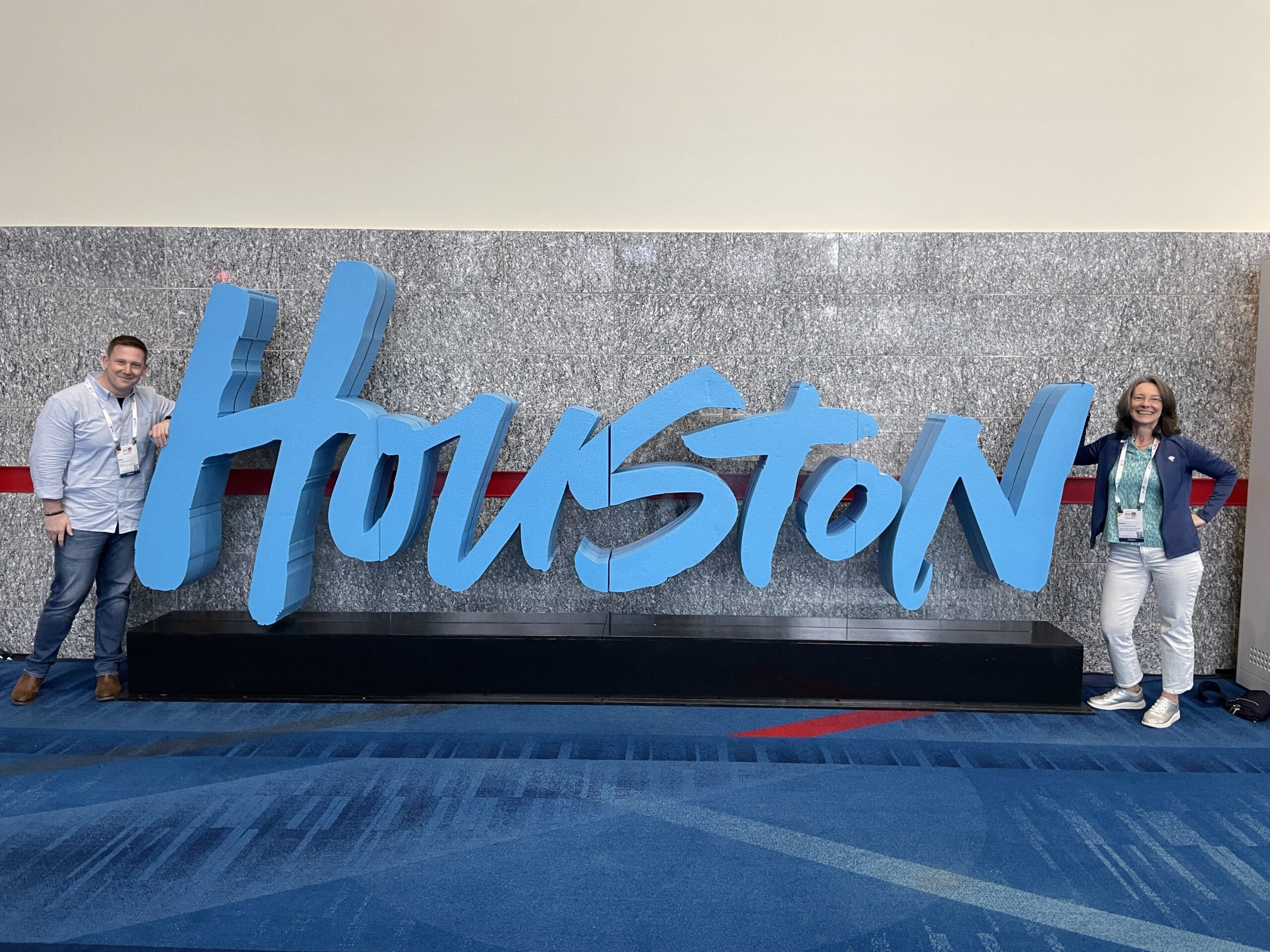
What PDC Reminded Me About Designing for People
Every year, the Planning, Design & Construction (PDC) Summit offers something unexpected. This year, it started for me with a concept: vuja dé. Borrowed from ThinkLab, the term, coined by George Carlin and later developed by organizational theorist Adam Grant, describes the opposite of déjà vu: seeing something familiar as if for the first time. (A fun coincidence for the francophiles: it also happens to be a perfect example of “verlan”, the French tradition of inverting syllables, though Carlin arrived there entirely by accident.) I kept coming back to it across the sessions; so much familiar content, but what can I see differently and with fresh perspective?
While I came away with a number of gems, one theme ties a few together. Healthcare design has always demanded both/and thinking, with high tech and high touch both paramount to medicine and healing, holding complexity and balancing dualities in service of the best possible outcomes.
Safety and security, for instance, aren’t the same thing. Security addresses intentional threats; safety addresses accidental ones. That distinction shapes everything from entry sequences to lighting strategy, and crime prevention through environmental design (CPTED) gives us a framework to pursue both at once: guide flow, create visibility, make people feel oriented and at ease.
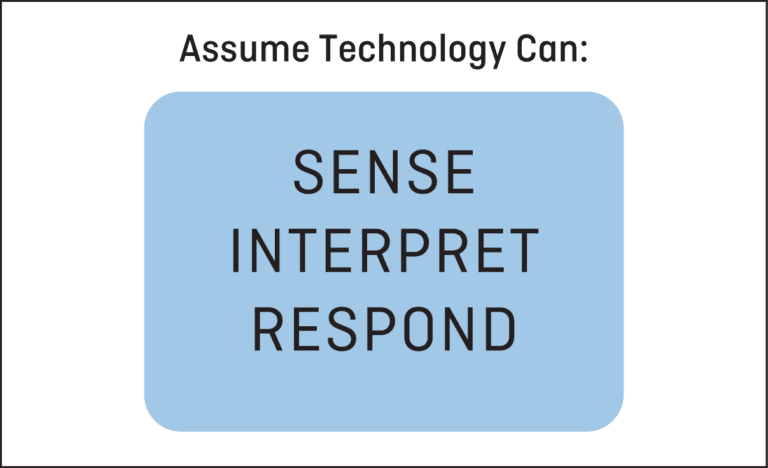
AI is perhaps the most confounding, as we teeter on the edge of our future, unresolved and rapidly generative. The concept of “tech equity,” what one session framed as “Tequity,” asks us to begin with the question: what must stay human-driven? The technology decisions follow from what creates trust and equity. Autonomous mobile robots, AI-assisted document review, “sentient spaces” that respond to real-time occupancy, “phygital” supporting work environments that blend physical and digital experience seamlessly. These are real tools in current projects. But the roundtable consensus was clear: the starting point has to be the human experience, not the capability inventory.
Rather than one or the other, time and again, we must find the optimal balance of competing realities. We need both familiar memories and fresh perspectives. We need physical and psychological safety which are supported by operational security. And we need phygital environments enabled by tequity. All of this for the flexibility and the trust we, as people and teams, need to thrive.
Becca Casey, AIA, NCARB, WELL AP Principal, Senior Architect is a WELL-accredited architect with 30 years of experience across the full spectrum of healthcare design, from community-based and medical office projects to acute care, psychiatric facilities, and master planning. She brings a collaborative, big-picture orientation to every project, balancing client objectives, regulatory frameworks, and interdisciplinary expertise to deliver designs that are flexible, functional, and built around the people who use them.