
Beyond the Boiler Room: Two Big Takeaways from SCUP North Atlantic
There’s a shift happening in how higher education talks about sustainability. The “why” is largely settled. The sessions that drew the most energy at SCUP North Atlantic in Hartford this spring were the ones deep in the “how”: how you finance it, how you plan for it across decades, how you design for it in ways that also serve students and communities.
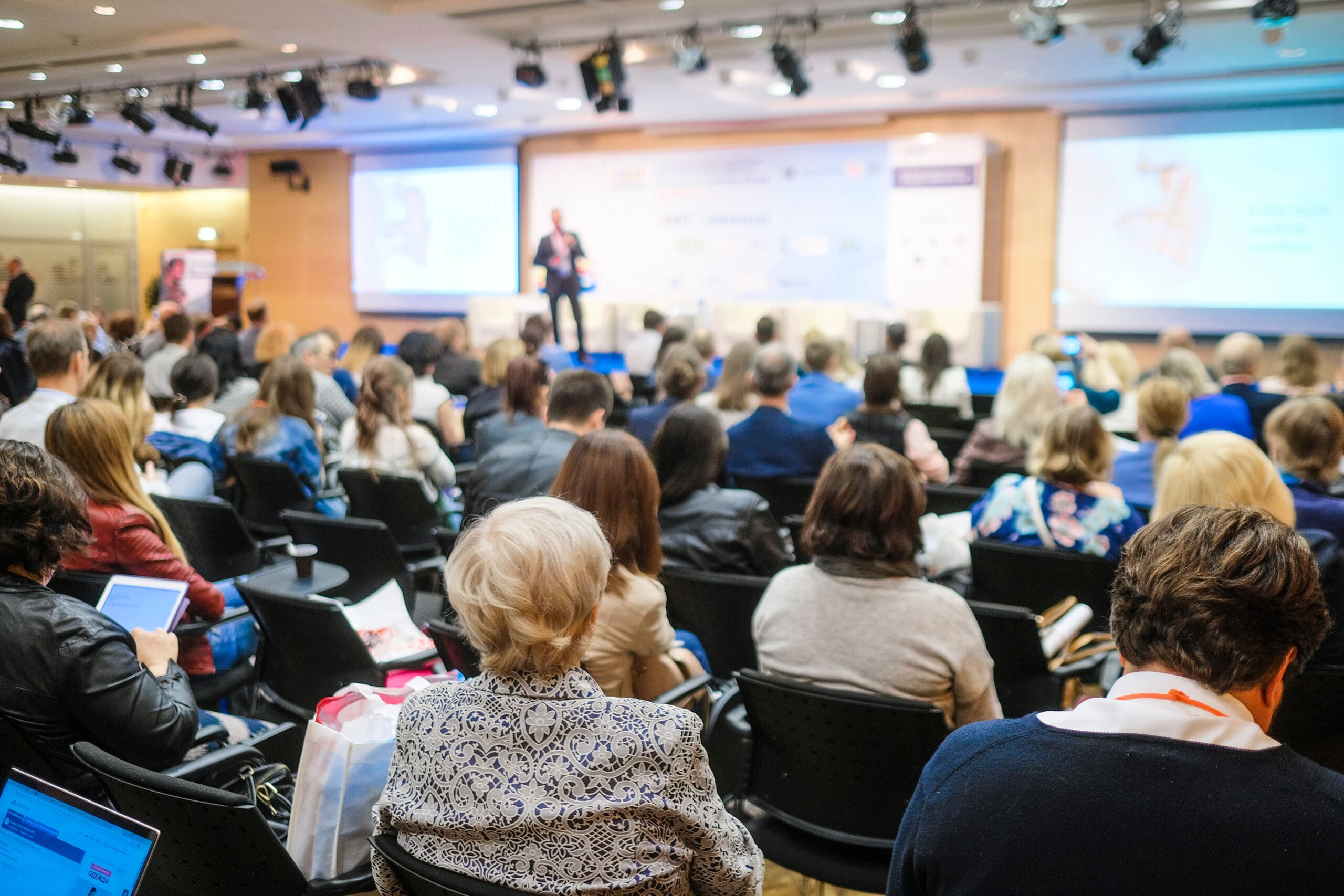
Our team was in the middle of two of those conversations. Lura Wade, our Electrical Engineering Discipline Leader, presented alongside Blaine Williams from the University of Maine on the technical and financial roadmap to beneficial electrification. I joined Glenn Cummings from Green Schools, John Martin from Elkus Manfredi, and Walker May from Capstone Development Partners to discuss a Public-Private Partnership model using the University of Southern Maine student housing project as a case study. Two different sessions, two different angles. But they were really about the same thing.
Lura’s session was one I kept hearing people reference in the hallway afterward. The challenge she and Blaine addressed isn’t new: campuses want to electrify, and they’re doing it, and progress is real, but isolated projects don’t add up to a campus-wide strategy on their own. The point that landed is that electrification decisions made today can either preserve your options or eliminate them. That starts with utility capacity planning: understanding your loads at the 5, 10, and 20-year horizon before you commit to infrastructure. Factor in full cost of ownership, and the financial case gets a lot clearer than the sticker price suggests. The technology, heat pumps, VRF systems, smart controls, is mature. The real work is in the integrated planning that makes it stick.
My session came at the same problem from a different direction. Using the University of Southern Maine (USM) as a lens, we explored how P3 models can do more than deliver square footage. The project is structured so that future housing revenue funds a student success program, meaning the building generates social value alongside operational efficiency. The design creates intentional connections to the surrounding community. Embodied carbon was part of the conversation from day one. What the panel kept reinforcing is that the best P3s are those in which financing and design intent are in dialogue with each other. When that alignment happens, you get something that holds up.
The two sessions covered different ground, but they kept arriving at the same conclusions. Sustainability in higher education is an integrated planning challenge. It connects the mechanical room to the finance office, and the student experience to the surrounding community. That’s been true for a while. It’s just finally the conversation we’re all having.
Grateful to our campus partners and fellow panelists. These are the conversations that move the work forward.